American Speech-Language-Hearing Association
Certified Member

   
Audiology Hearing Aids Speech Pathology

Hearing Aid Technology | Repair & Service | Realistic Expectations | Success Strategies


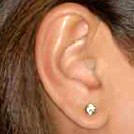
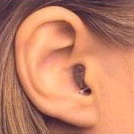
Completely in the Canal (CIC) hearing
aid, virtually invisible from the outside.

In my Audiology practice, I specialize in providing the best, most technically advanced hearing instruments on the market. 

Programmable Hearing Aids

Programmable hearing aids are custom programmed using a computer with special software. The information in an audiogram is entered into the computer, and the hearing aids are then adjusted by computer to give the best possible hearing improvement. They can be reprogrammed or fine-tuned at any time.

High-Tech Hearing Aid Overview

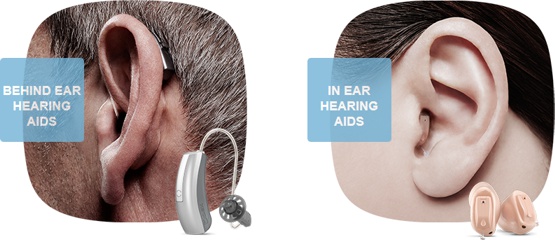
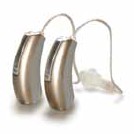
Three different styles of programmable, digital hearing aids: behind-the-ear (left), in-the-ear (top), completely-in-the-canal (right). Includes bluetooth connectivity to cell phones. Dot™ by ReSound is a smart, tiny hearing instrument so small that nobody will notice you are wearing it. It is lightweight and comfortable, yet it is high tech.
 
Programmable Digital Technology
  • The most advanced level of technology available
  • Superior sound quality
  • Completely automatic
  • Fully digital sound processing between microphone and receiver
  • Fully digital amplification
  • Minimizes hearing aid whistling
  • Facilitates telephone use
  • Superior listening in most environments
  • Advanced fitting flexibility

 
Integrated Signal Processing (ISP) may be the greatest technology ever put inside a hearing aid instrument. ISP offers superior digital performance for clear sound, yet the hearing aids are miniaturized and are hidden to others.

Hearing aids available:

Michele Wilson, Ph.D., dispenses and services hearing aids from the manufacturers of leading hearing aid technology. All hearing aid models from the companies below are available through her office:

Realistic Hearing Aid Expectations

Setting realistic expectations is important in achieving success with any hearing instrument, but especially with programmable instruments where you expect high performance. 

It is critical that you understand what hearing aids can accomplish and have realistic objectives. 

Your hearing aid should:
  • Allow you to hear many sounds that you may not be able to hear, or may not hear clearly, without amplification, such as children's voices, soft voices or quiet outdoor sounds.
       

  • Allow you to understand speech more clearly, and with less effort, in a variety of listening situations.
       

  • Prevent normally loud sounds from becoming uncomfortable. Loud sounds that are uncomfortable for normal hearing individuals may similarly be uncomfortable when using hearing instruments.
       

  • Allow you to hear more clearly in noisy situations.

You should understand that your hearing aid will:

  • Require up to 90 days for adjustment and to reach your maximum performance potential.
       

  • Improve your hearing ability, even though it cannot restore your hearing capabilities to "normal."
       

  • Filter out background noise, but cannot completely eliminate it.

Hearing Aid Service & Repair

 
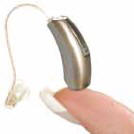
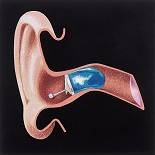
Two styles of hearing aids: completely in the ear canal (left), and behind the ear (right).
 

Hearing aids are sophisticated electronic devices, which can break down with use, especially in contact with body oils and ear wax. Michele Wilson offers repair and reprogramming services for all makes and models of hearing aids, regardless of where these have been purchased.

For further information on hearing aid technology,
contact Michele Wilson, Ph.D.

Hear-More home page.

Back to Ear Plugs main page.


Audiology Hearing Aids Speech Pathology
Certified Member of American-Speech-Hearing Association
Fellow of the American Academy of Audiology

4010 Barranca, Suite 220 (at Culver), Irvine, California 92604
Phone: (949) 857-6051 Fax: (949) 857-0941
E-mail: wilson@hear-more.com